Office cleaning for businesses on Clapham Road near Stockwell
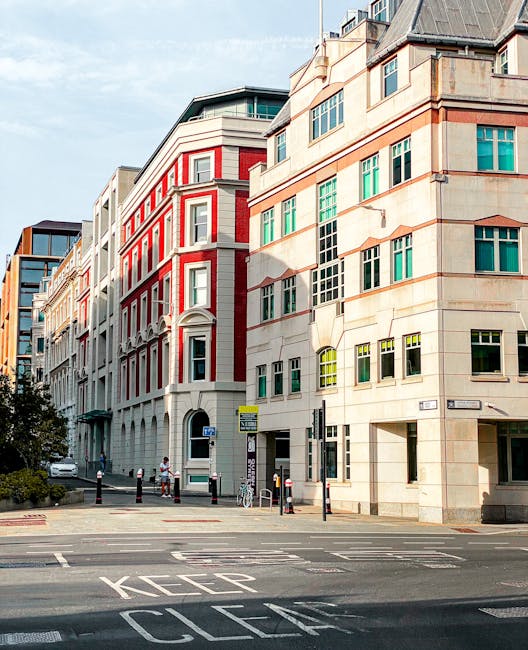
If you run a business on Clapham Road near Stockwell, you already know the office can pick up dirt faster than you expect. Footfall brings in grit, shared desks collect fingerprints, kitchen areas get busy, and by midweek the place can feel a bit tired. That is exactly where office cleaning for businesses on Clapham Road near Stockwell makes a real difference. It is not just about looking tidy for clients; it is about creating a workspace that feels professional, healthier, and easier for your team to use every day.
In a busy South London setting, the best cleaning plan is usually the one that fits how your office actually works. A small agency, a professional services office, a clinic-style workspace, or a mixed-use premises near Stockwell will all need something slightly different. This guide breaks down what office cleaning involves, how it works in practice, what to watch out for, and how to make sensible decisions without overcomplicating things. Truth be told, the right setup saves time, stress, and awkward last-minute scrambles before a meeting.
Quick takeaway: if your office feels messy by Thursday, or your team keeps losing time to ad hoc tidying, a proper cleaning routine is probably overdue.
Why office cleaning for businesses on Clapham Road near Stockwell matters
Clapham Road sits in a part of London where businesses often serve clients face to face, share buildings with other tenants, or run compact offices that need to work hard all week. That changes the cleaning brief. It is not just about dusting a few shelves. It is about managing a space that may have multiple users, meeting rooms, kitchenettes, washrooms, reception areas, and high-touch points that see constant use.
A clean office affects more than first impressions. It shapes how people feel when they arrive. A tidy reception, fresh-smelling meeting room, and clear walkways make a place feel organised before anyone even opens a laptop. You will notice it immediately, especially on a grey London morning when everyone has arrived carrying coffee, umbrellas, and that slightly rushed weekday mood.
For businesses near Stockwell, practical location factors matter too. Commuter flow, nearby construction, and road traffic can all bring extra dust and grime indoors. Offices close to busier roads often need more regular attention to floors, windows, and entrance areas. Small issue? Maybe. But left unchecked, small issue becomes permanent-looking grime. And nobody wants that.
There is also a trust angle. Clients, suppliers, and staff pick up subtle signals from the environment. Clean washrooms, orderly desks, and hygienic communal areas suggest professionalism and care. Messy or inconsistent cleaning does the opposite, even if your team is excellent at its actual work.
Expert summary: on Clapham Road near Stockwell, office cleaning is not a cosmetic extra. It supports presentation, hygiene, staff comfort, and the smooth day-to-day running of the business.
How office cleaning for businesses on Clapham Road near Stockwell works
Most office cleaning arrangements start with a walkthrough or discussion about the space. A good provider will want to understand the layout, the busiest areas, opening hours, cleaning frequency, and any special requirements. A one-size-fits-all plan is rarely the best choice, and to be fair, if someone offers one immediately without asking questions, that is usually a bit of a red flag.
Typical office cleaning includes a mix of routine and targeted tasks:
- Vacuuming and mopping floors
- Wiping desks, tables, and reception surfaces
- Emptying bins and replacing liners
- Cleaning kitchens, sinks, and touchpoints
- Sanitising washrooms and restocking basics
- Dusting skirting boards, ledges, and office furniture
- Cleaning internal glass and visible marks
- Spot cleaning doors, handles, switches, and shared equipment
Depending on the office, the schedule may be daily, several times a week, weekly, or a mix of regular cleaning plus periodic deep cleaning. Some businesses also need specialist add-ons such as commercial carpet cleaning, window cleaning, or a deeper reset after refurbishment or tenancy changes.
The workflow usually looks something like this: assess the space, agree the scope, decide the frequency, identify any access arrangements, then review the result after the first few cleans. That review step matters. A cleaning plan should not be "set and forget" if the office changes size, occupancy, or usage patterns.
For example, a small office with ten staff and a kitchenette may need daily touchpoint cleaning and a weekly fuller clean. A larger office with visitor traffic may need a more layered plan, with certain areas cleaned every day and less-used zones on a slower cycle. It depends on people, not just square footage.
Key benefits and practical advantages
The obvious benefit is cleanliness. But the practical value goes further than that. A well-run office cleaning routine can help reduce friction in the workplace, and friction is expensive in ways people often do not notice until later.
1. Better first impressions
If your office receives clients, candidates, suppliers, or visitors, cleanliness is part of your brand experience. A sparkling reception and tidy meeting room help reinforce confidence. A messy bin corner or smudged glass does the opposite in about three seconds flat.
2. More comfortable working conditions
People work better in a space that feels looked after. Clean desks, fresh communal areas, and clear floors reduce distraction. Staff also tend to treat a maintained office more respectfully, which helps the standard hold over time.
3. Improved hygiene in high-touch areas
Shared handles, lift buttons, switches, kitchen counters, and shared desks can collect grime quickly. Regular cleaning keeps those areas under control. That does not mean eliminating all risk, of course, but it does support a more hygienic environment.
4. Longer life for fixtures and finishes
Dust, grit, and spill residue can wear down flooring, furniture, and surfaces. Regular cleaning helps protect your assets. This is especially relevant if you have carpeted areas, hard floors, or upholstered seating that gets used every day.
5. Fewer interruptions for staff
When cleaning is planned properly, your team is not improvising with wipes and paper towels half an hour before a meeting. That alone can calm the whole rhythm of the day. Little thing, big difference.
| Area | What regular cleaning helps with | Why it matters |
|---|---|---|
| Reception | Dust, fingerprints, floor presentation | Creates a strong first impression |
| Kitchens | Food residue, bins, counters, sinks | Supports hygiene and day-to-day comfort |
| Washrooms | Sanitising, replenishment, odour control | Essential for staff and visitor experience |
| Meeting rooms | Tables, glass, chairs, floors | Keeps client-facing spaces presentable |
| Desks and touchpoints | Dust, marks, hand contact points | Helps maintain a healthier workspace |
Who this is for and when it makes sense
Office cleaning is not only for large corporate premises. On Clapham Road near Stockwell, it can make sense for a surprising range of businesses, especially where staff, visitors, and shared areas overlap.
This service is a strong fit if you run:
- A small office with regular staff attendance
- A client-facing business with a reception or meeting space
- A professional services team working from rented premises
- A shared or multi-tenant office where common areas need coordination
- A new office that needs a cleaning routine from day one
- An office that has become harder to manage in-house
It also makes sense when your current system is not really a system. You know the type. One person tidies the kitchen, someone else empties bins, and the rest gets done "when there's time". That approach can work for a week or two. After that, it starts slipping.
There are certain moments when a business usually realises it needs proper help:
- Staff are spending too much time on cleaning tasks
- Visitors are noticing dust, marks, or untidy communal areas
- Floors and carpets are looking tired before their time
- Washrooms are difficult to keep consistently fresh
- The office has recently expanded or changed layout
- Cleaning standards vary depending on who is in the building
If that sounds familiar, you are not alone. Many businesses reach a point where ad hoc tidying simply stops being enough.
Step-by-step guidance
If you want office cleaning to work well, it helps to treat it as a process rather than a one-off purchase. Here is a practical way to approach it.
Step 1: Walk the space with a clear eye
Start by looking at the office as someone else would. Which areas get the most traffic? Which spaces are visible to clients? Where does mess build up first? Reception, kitchens, bathrooms, and corridors usually tell the truth fastest.
Step 2: Separate daily tasks from periodic tasks
Not everything needs the same frequency. Bins and washrooms may need daily attention, while some deeper tasks can happen weekly or monthly. This prevents wasted effort and helps focus resources where they matter most.
Step 3: Set the standard clearly
"Clean office" can mean very different things to different people. Be specific. Do you want desks wiped? Are screens excluded? Should kitchen appliances be cleaned internally or only externally? What about internal glass? The clearer you are, the smoother the result.
Step 4: Agree access and timing
Many offices near Stockwell prefer cleaning outside core working hours. Early morning or evening visits often work well, especially in client-facing environments. Confirm access instructions, alarm details, key handling, and any restricted rooms in advance. This avoids awkwardness later.
Step 5: Check the first few cleans carefully
The first couple of visits set the tone. Inspect the spaces, note anything missed, and communicate adjustments early. That is normal. Even a good cleaning plan usually needs a little calibration. Not a big deal.
Step 6: Review after a few weeks
After the routine settles, review whether the frequency and scope are right. If the kitchen is still getting messy by Friday, it may need more attention. If some areas are barely used, the plan may be too heavy. Adjusting is sensible, not fussy.
Expert tips for better results
Here is where a lot of offices either get things spot on or quietly drift into chaos. The difference is usually in the small habits.
- Keep clutter down first. Cleaning works better when desks and common areas are not overloaded with papers, mugs, and random cables. A cleaner can remove dust, but they should not be expected to sort your filing system. That would be a bit much.
- Use visible standards in shared spaces. A simple kitchen notice or washroom check routine can help staff maintain the basics between cleans.
- Rotate deeper tasks. Even a clean office can hide forgotten areas like skirting boards, behind bins, or under furniture. A periodic deep clean helps reset these spots.
- Match the service to the building. A top-floor office with carpets and lots of natural light will not have the same cleaning needs as a ground-floor practice with heavy foot traffic.
- Prioritise the first impression zone. Reception, entry floors, and meeting rooms deserve special attention because people notice them first.
One practical trick: create a short list of "must not miss" areas for the cleaning team. It could be the kitchen sink, the front door glass, the loo handrails, or the boardroom table. Keep it simple. The more complicated the list, the less likely anyone is to remember it at 6.45 a.m.
If your business operates with changing occupancy, hot-desking, or hybrid attendance, it is worth reviewing the cleaning plan more often. Empty offices do not get dirty in the same way as busy ones. Sounds obvious, but people sometimes overlook it.
Common mistakes to avoid
Office cleaning problems often come from mismatched expectations rather than bad intentions. That is the honest truth. Here are the mistakes that cause the most frustration.
1. Choosing the cheapest option without checking scope
A low headline price means little if the service leaves out the areas you care about. Always compare what is included, how often, and what counts as extra.
2. Not defining high-risk areas
Bathrooms, kitchens, and shared touchpoints should usually get more attention than low-use storage spaces. If the plan treats them all the same, standards can drift.
3. Assuming the cleaner will solve clutter
Cleaning and tidying are related, but not identical. If desks are covered in paperwork and half-finished lunches, the result will only ever be partial.
4. Ignoring access and security details
A smooth clean depends on practical details like alarm codes, entry times, and where supplies can be left. Miss those, and the process becomes awkward fast.
5. Forgetting to reassess after business changes
New staff, more visitors, a move into a different building, or a change in trading hours can all change cleaning needs. A plan that worked six months ago may not be right now.
6. Not asking about specialist tasks
Some offices need more than standard vacuuming and wipe-downs. Carpets, upholstery, hard floors, and windows often need specialist care. If you do not ask, those jobs may be left out.
Tools, resources and recommendations
Good office cleaning depends on the right approach and the right tools. You do not need to overcomplicate it, but it helps to know what quality looks like.
Useful cleaning methods and services for office environments include:
- Routine office cleaning for daily or weekly maintenance
- Regular cleaning schedules for consistent upkeep
- Deep cleaning when the space needs a fuller reset
- Commercial carpet cleaning for worn or high-traffic flooring
- Window cleaning for a brighter, more professional finish
- Hard floor cleaning where vinyl, tile, or similar surfaces need proper care
- Upholstery cleaning for chairs, sofas, and reception seating
- Stain removal where spills or marks need targeted treatment
If you want a better result over time, build a simple internal routine alongside professional cleaning. For example, staff can keep desks clear at the end of the day, kitchen users can rinse mugs properly, and meeting rooms can be reset after use. None of that replaces cleaning, but it does make the service more effective.
It can also help to review related company information before appointing a provider, particularly around who they are and how they work, as well as insurance and safety and health and safety policy. Those pages are often useful when you are checking whether a provider looks organised and accountable. A polished website is nice. Clear policies are better.
You may also want to review pricing and quotes if you are comparing service levels, and contact us if you are ready to ask questions about your office layout or access needs.
Law, compliance, standards, or best practice
Office cleaning in the UK sits inside a wider duty of care around workplace safety, hygiene, and sensible management. You do not need to become a legal expert to make good decisions, but you should expect a provider to work safely and responsibly.
At a practical level, that usually means:
- Cleaning in a way that avoids unnecessary risks to staff, visitors, and cleaners
- Using suitable products for the surfaces being cleaned
- Managing slip risks, especially on wet floors
- Handling waste sensibly and keeping communal areas hygienic
- Respecting access control, confidentiality, and privacy in office spaces
Best practice also includes clear communication about any hazards, fragile equipment, or restricted rooms. If your office has server areas, medical-style spaces, archives, or delicate finishes, those details should be flagged early. Better safe than sorry, honestly.
From a business perspective, it is sensible to check that your cleaning provider has appropriate processes for safety, complaints, payments, and data/privacy handling where relevant. For that reason, pages such as payment and security, privacy policy, and terms and conditions can be useful when you are doing your due diligence.
If sustainability matters to your business, you may also want to ask about waste reduction, product choices, and recycling practices. A provider that follows recycling and sustainability principles may be a better fit for offices aiming to reduce unnecessary waste. That said, green claims should always be specific. Vague is not the same as environmentally sound.
Options, methods, and comparison table
Different offices need different cleaning methods, and the best choice depends on how the space is used. Here is a straightforward comparison to help you decide what is likely to fit.
| Approach | Best for | Strengths | Limitations |
|---|---|---|---|
| Daily routine office cleaning | Busy offices with staff and visitors | Keeps the space consistently presentable | May not address ingrained dirt on its own |
| Weekly cleaning | Smaller or lower-traffic offices | Good value and easy to manage | Can feel insufficient in shared or client-facing spaces |
| Regular cleaning with periodic deep cleans | Most business offices | Balanced, flexible, practical | Requires clear scheduling |
| One-off cleaning | Move-ins, move-outs, post-event resets | Useful for a specific clean-up need | Not a long-term maintenance solution |
| Specialist add-ons | Carpets, floors, windows, upholstery | Targets stubborn or visible issues | Needs to be planned separately |
If your office is on the busier side, a combined approach usually works best. For example, regular cleaning handles the basics, while periodic deep cleaning and steam carpet cleaning or hard floor cleaning deal with what builds up underneath the surface. That layered approach is often the difference between "looks okay" and "actually feels well run".
Case study or real-world example
Consider a small professional office on Clapham Road with around a dozen staff, a reception area, one meeting room, a kitchenette, and two washrooms. The business started with a tidy-up at the end of each day, but as the team grew, things began slipping. Coffee rings stayed on tables longer, the kitchen smelled a little stale by Thursday, and the meeting room started looking less polished before client visits.
Instead of jumping straight to an expensive full-time setup, they introduced a structured routine: daily touchpoint cleaning, weekly deeper attention to kitchens and washrooms, and a monthly review of carpets and glass. The result was not dramatic in a flashy way. It was calmer than that. Fewer complaints, fewer surprise scrambles before meetings, and a workplace that felt more controlled.
The key lesson? Most office cleaning problems are not solved by doing everything at once. They are solved by matching the right frequency to the right area. Simple, but not always easy to get right.
If a business has recently expanded or undergone fitting works, a service like after builders cleaning or deep cleaning may be the better starting point before settling into a regular office cleaning schedule.
Practical checklist
Use this checklist before you choose or review an office cleaning plan for a business on Clapham Road near Stockwell:
- Identify the spaces that matter most: reception, desks, kitchens, washrooms, meeting rooms
- Decide which tasks need daily, weekly, or monthly attention
- Confirm access times, key handling, and security requirements
- Ask what is included in the standard clean and what costs extra
- Check whether carpets, floors, glass, and upholstery need specialist care
- Review insurance, safety, and complaint-handling information
- Make sure the provider understands your office's busiest hours and sensitive areas
- Set a simple review date after the first few cleans
- Keep expectations clear for staff so the office stays tidy between visits
- Reassess the plan if your team size or occupancy changes
Helpful rule of thumb: if a task causes regular annoyance, it probably needs a scheduled solution rather than a "we'll deal with it later" approach.
Conclusion
Office cleaning for businesses on Clapham Road near Stockwell is really about keeping a busy workplace consistent, presentable, and pleasant to use. Done well, it supports your team, helps visitors feel confident, and reduces the low-level stress that builds up when cleaning is left to chance. That does not need to be complicated. It just needs to be thought through properly.
The smartest approach is usually a mix of clear expectations, the right schedule, and a provider that understands how offices actually operate in real life, not in theory. When the cleaning routine fits the way your business moves, everything feels easier. A bit calmer. More professional, too.
If you are comparing options now, focus on scope, reliability, safety, and whether the service matches the pace of your office. That is where the real value lives.
Get a free quote today and see how much you can save.
Frequently Asked Questions
How often should an office near Clapham Road be cleaned?
It depends on footfall, how many staff use the space, and whether you welcome visitors. Many offices need daily attention to shared areas, while smaller or quieter spaces may manage with fewer visits plus periodic deep cleaning.
What is usually included in office cleaning?
Typical tasks include vacuuming, mopping, dusting, bin emptying, washroom cleaning, kitchen wipe-downs, and cleaning common touchpoints. Some providers also handle glass, carpets, and specialist areas, but those may be separate.
Can office cleaning happen outside working hours?
Yes, and for many businesses that is the easiest option. Early morning, evening, or weekend cleaning can reduce disruption and make it simpler to clean desks, reception areas, and meeting rooms thoroughly.
Do I need deep cleaning as well as regular office cleaning?
In many cases, yes. Regular cleaning keeps the office under control day to day, while deep cleaning deals with build-up in places that do not get enough attention during routine visits. The two work well together.
What should I ask before hiring an office cleaner?
Ask about what is included, how often they recommend cleaning, what products they use, whether they are insured, how they handle access, and how they deal with complaints or missed tasks. Clear answers matter more than slick sales talk.
Is office cleaning suitable for small businesses?
Absolutely. Small businesses often benefit a lot because cleaning tasks can otherwise fall on staff who already have full workloads. Even a modest cleaning plan can improve the day-to-day feel of the office.
How do I know if my office needs specialist carpet or floor cleaning?
If floors look dull, stained, or worn in high-traffic areas, or if regular vacuuming and mopping no longer make much difference, specialist treatment is worth considering. Carpets and hard floors age better when they are properly maintained.
What if my business has shared or communal areas?
Shared spaces usually need a clearer cleaning plan because more people use them and they get messy faster. Corridors, kitchens, and washrooms often need slightly more frequent attention than private offices.
Should I check a cleaning provider's policies before booking?
Yes, that is a sensible step. Reviewing insurance, health and safety, privacy, payment, and terms helps you understand how professional and organised the provider really is. It is a small task that can prevent bigger headaches later.
Can office cleaning help reduce staff complaints about the workspace?
Very often, yes. People notice when bins overflow, kitchens smell stale, or washrooms are not kept fresh. A reliable cleaning routine removes a lot of those everyday irritations before they become constant talking points.
What is the best way to keep the office cleaner between visits?
Keep desks clear, tidy shared kitchen items promptly, and make sure staff know where waste and cleaning supplies belong. A few good habits between cleans make the whole space easier to maintain. Not glamorous, but effective.
How do I get started if I am ready to improve office cleaning now?
Start with a quick review of the space, identify the areas that need the most attention, and request a quote based on your actual usage rather than a guess. If you are ready to discuss your office in more detail, get in touch here and outline what you need.